
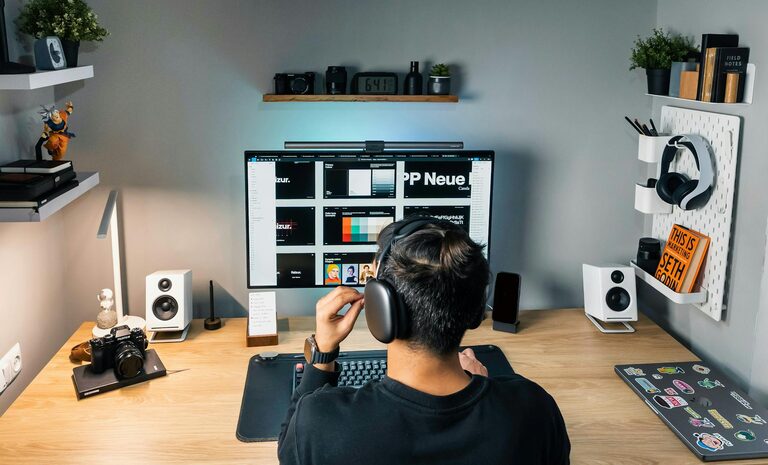
Creating a productive home office environment is essential for anyone who works remotely or spends considerable time on tasks at home. A well-organized and comfortable workspace can help improve concentration, reduce stress, and increase overall efficiency. Whether you have a dedicated room or a small corner in your living space, these tips will guide you in setting up a home office that supports your best work.
1. Choose the Right Location
Selecting the right spot for your home office is the foundation of productivity.
– Find a quiet area: Aim for a space with minimal distractions. Avoid high-traffic zones like the kitchen or living room if possible.
– Consider natural light: Position your desk near a window to benefit from daylight. Natural light can improve mood and reduce eye strain.
– Evaluate space needs: Make sure there’s enough room for your computer, paperwork, and any tools you use regularly.
2. Invest in Ergonomic Furniture
Comfort plays a big role in maintaining focus during long working hours.
– Quality chair: Choose an ergonomic chair that supports your lower back and promotes good posture.
– Adjustable desk: If possible, use a desk with adjustable height to alternate between sitting and standing.
– Proper desk height: Your desk should allow your arms to rest comfortably at a 90-degree angle while typing.
3. Organize Your Workspace
A cluttered desk can lead to a cluttered mind. Keep your workspace tidy and functional.
– Declutter regularly: Remove unnecessary items from your desk each day.
– Use organizers: Desk trays, file folders, and drawer dividers help keep papers and supplies in order.
– Cable management: Use clips or ties to keep cords out of the way and prevent tangling.
4. Optimize Lighting
Good lighting reduces eye strain and boosts alertness.
– Combine natural and artificial light: Use a desk lamp with adjustable brightness to supplement daylight.
– Avoid glare: Position your screen to prevent reflections from windows or overhead lights.
– Choose warm or neutral bulbs: Avoid harsh, cool-colored lighting that can be tiring.
5. Minimize Distractions
Staying focused is easier when distractions are reduced.
– Set boundaries: Let family members or roommates know your work hours.
– Use noise-canceling headphones: They help block out background noise and increase concentration.
– Limit screen interruptions: Turn off unnecessary notifications on your computer and phone during work time.
6. Personalize Your Space
A pleasant environment can motivate you throughout the day.
– Add plants: Indoor plants improve air quality and create a calming atmosphere.
– Decorate with inspiration: Use artwork, motivational quotes, or photos that make you feel positive.
– Keep essentials handy: Have your favorite mug, a water bottle, or a small snack nearby to stay comfortable.
7. Establish a Routine
Consistency helps train your brain to recognize work time and relax time.
– Set specific work hours: Start and end your workday at the same time each day.
– Take breaks: Use techniques like the Pomodoro method — work for 25 minutes, then take a 5-minute break.
– Create rituals: Begin your day with a morning routine, such as a cup of tea or a short walk, to transition into work mode.
8. Utilize Technology Wisely
Technology is a crucial part of the home office, but managing it wisely keeps productivity high.
– Reliable internet: Ensure your connection is stable and fast enough for video calls or file sharing.
– Efficient tools: Use project management apps, digital calendars, and note-taking software to stay organized.
– Backup regularly: Protect your work by backing up files to the cloud or an external drive.
9. Maintain Work-Life Balance
Working from home can blur the line between professional and personal time.
– Designate a work area: Avoid working from the bed or couch to mentally separate work and rest.
– Clear your workspace at the end of the day: Putting away work materials helps signal the end of work time.
– Schedule downtime: Plan activities outside your work hours to decompress and recharge.
—
By thoughtfully setting up your home office environment, you’ll create a space that supports productivity and well-being. Remember, small improvements add up and can make your workdays more enjoyable and efficient. Take the time to evaluate what works best for you, and adjust your workspace as your needs evolve.