
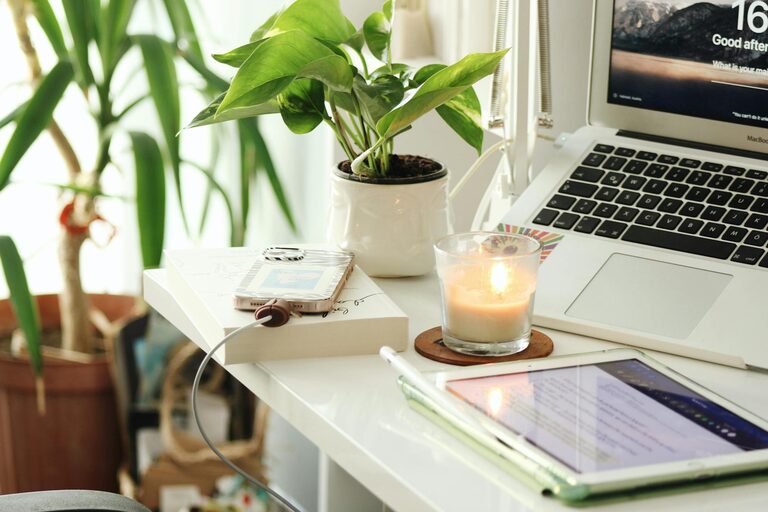
Creating a comfortable and efficient home office space is more important than ever. With many people working from home, having a dedicated area that balances coziness and productivity can improve focus and overall well-being. Whether you have a small nook or a spare room, thoughtful design and organization can transform your workspace into a place you enjoy spending time in. Here are practical tips to help you create a home office that feels both inviting and productive.
Choose the Right Location
Selecting the right spot for your home office is the first step. Ideally, find a quiet area with minimal distractions. If possible, choose a space near a window for natural light, which can boost mood and energy levels throughout the day.
– Avoid high-traffic areas where family members often pass through.
– Look for a space with enough room for your desk, chair, and other essentials.
– Consider whether you need additional storage nearby.
Invest in a Comfortable Chair and Desk
Ergonomics matter a lot when it comes to home office comfort and productivity. Spending long hours at a poorly designed workspace can cause discomfort and reduce focus.
– Choose a chair with good lumbar support and adjustable features.
– Opt for a desk at the right height to keep your arms at a 90-degree angle.
– Consider a standing desk or a convertible desk for variety and movement.
Organize with Purpose
Clutter can quickly diminish productivity. Establish an organization system that works for your workflow and keeps your desk tidy.
– Use shelves, baskets, or filing cabinets to store papers and supplies.
– Keep everyday essentials within arm’s reach to avoid unnecessary breaks.
– Utilize drawer dividers or organizers to minimize clutter.
Personalize Your Space
Adding personal touches makes your office feel welcoming and uniquely yours, helping you stay motivated.
– Decorate with items like plants, artwork, or photos.
– Use colors that soothe or energize you—soft blues and greens are calming, while yellows and oranges can inspire creativity.
– Place a cozy throw blanket or a small cushion on your chair for extra comfort.
Optimize Lighting
Good lighting reduces eye strain and creates a pleasant environment to work in.
– Maximize natural light whenever possible.
– Use adjustable desk lamps with warm light tones for late hours.
– Avoid harsh overhead lighting that can create glare on screens.
Minimize Noise Distractions
Noise can be a major barrier to concentration, especially in shared households.
– Use noise-cancelling headphones or play soft background music.
– Add rugs, curtains, or cushions to absorb sound.
– If possible, inform household members of your work hours to reduce interruptions.
Maintain a Healthy Routine
Your environment can encourage habits that support both comfort and productivity.
– Take regular breaks to stretch and move around.
– Keep water and healthy snacks nearby.
– Set specific work hours to help separate professional time from relaxation.
Use Technology Wisely
Having the right tech tools can make your work smoother and less stressful.
– Choose a monitor, keyboard, and mouse that suit your needs.
– Keep cables organized with clips or sleeves to avoid tangling.
– Use productivity apps or planners to stay on track.
Create Zones for Different Tasks
If space allows, organize your office into zones to help your brain switch focus.
– Have a dedicated computer work area.
– Include a spot for brainstorming, reading, or making phone calls.
– Use a small table or shelf for materials related to specific projects.
Keep it Clean and Fresh
A tidy office invites productivity and creativity.
– Clean your desk and computer regularly.
– Open windows when possible to circulate fresh air.
– Add a small air purifier or an essential oil diffuser for a pleasant scent.
—
Building a cozy yet productive home office does not require a big budget or major renovations. By focusing on comfort, organization, and personalization, you can create a space that supports your work and well-being. Remember to adapt these tips to fit your unique needs and preferences. With a little intention and care, your home office can become a favorite spot for both creativity and focused work.