
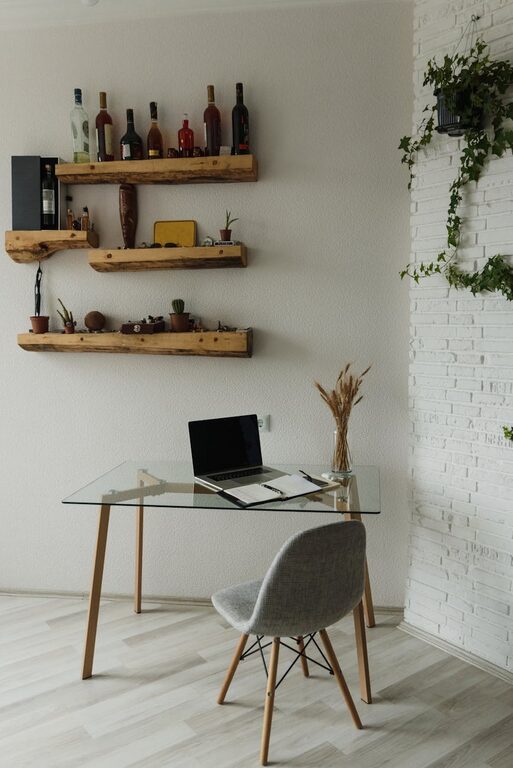
Creating a relaxing home office environment is essential for staying focused, reducing stress, and maintaining a healthy work-life balance. With many people working remotely or spending significant time at home, having a space that feels calm and inviting can make all the difference. In this post, we’ll explore practical tips to help you design a home office that supports both comfort and productivity.
Why a Relaxing Home Office Matters
Working from a cluttered or uncomfortable space can lead to distractions, fatigue, and decreased motivation. On the other hand, a well-designed office that promotes relaxation can help you concentrate better and make work feel less like a chore. A thoughtful workspace also encourages more creativity and breaks down the barrier between work and home life.
Choose the Right Location
The foundation of a relaxing office begins with its location in your home.
– Find a Quiet Spot: Aim for a room or corner away from high-traffic areas or noisy appliances.
– Consider Natural Light: Spaces near windows offer natural lighting, which improves mood and reduces eye strain.
– Think About Privacy: If possible, choose a place where you can close the door or set boundaries for work hours.
Even if space is limited, carving out a dedicated work area signals the start and end of your workday.
Invest in Comfortable Furniture
Comfort plays a key role in maintaining focus over long hours.
– Ergonomic Chair: Choose a chair that supports your back and encourages good posture.
– Adjustable Desk: A desk with adjustable height allows you to alternate between sitting and standing.
– Proper Desk Size: Ensure your desk has enough surface area for your computer, documents, and other essentials.
Comfortable furniture reduces strain and helps maintain energy throughout the day.
Organize and Declutter
A messy workspace can cause mental clutter as well.
– Use Storage Solutions: Shelves, drawers, and organizers keep supplies neat and accessible.
– Limit Items on Desk: Keep only daily essentials within reach to maintain focus.
– Maintain Regular Cleaning: Spend a few minutes at the end of each day tidying your space.
An organized office promotes a clear mind and efficient workflow.
Incorporate Calming Colors and Décor
Colors and décor can influence your mood and productivity.
– Choose Soft, Neutral Colors: Shades like light blues, greens, soft grays, or warm beige create a peaceful atmosphere.
– Add Personal Touches: Simple art, plants, or photos can make your space inviting without overwhelming it.
– Minimize Cluttered Wall Space: Keep walls clean and uncluttered to reduce distractions.
Personalizing your space helps you feel comfortable and motivated.
Bring Nature Inside
Connecting with nature has proven benefits for relaxation and concentration.
– Add Indoor Plants: Plants improve air quality and create a soothing atmosphere.
– Use Natural Materials: Wood desks or wicker baskets add warmth and texture.
– Let in Fresh Air: Open windows when possible for ventilation.
Nature’s presence in your workspace can boost mood and creativity.
Control Lighting and Reduce Glare
Proper lighting prevents eye strain and headaches.
– Balance Natural and Artificial Light: Use blinds or curtains to control natural light, and add layered lighting with desk lamps and overhead fixtures.
– Avoid Screen Glare: Position your computer perpendicular to windows when possible.
– Choose Soft Light Bulbs: Warm LEDs mimic natural daylight and are easier on the eyes.
Good lighting supports comfort and alertness.
Manage Noise Levels
Sound affects concentration, so controlling noise is important.
– Use Noise-Canceling Headphones: These can block out distracting sounds.
– Play Ambient Music: Gentle background music or white noise can improve focus.
– Soundproof the Area: Add rugs, curtains, or wall panels to reduce echo and noise.
Finding your preferred sound environment helps sustain productivity.
Establish a Routine and Boundaries
Your space works best when paired with healthy work habits.
– Set Regular Hours: Stick to consistent start and end times for working.
– Take Breaks: Short breaks reduce burnout and keep your mind fresh.
– Limit Distractions: Use phone settings or apps to avoid interruptions.
A calm workspace combined with clear routines supports balanced workdays.
Use Technology Wisely
Technology can streamline your work or cause disruptions.
– Organize Digital Files: Keep your desktop and folders tidy for efficiency.
– Use Task Management Tools: Apps help keep priorities clear.
– Minimize Notifications: Turn off non-essential alerts during focus periods.
Effective use of technology enhances your relaxing office environment.
Final Thoughts
Creating a relaxing home office environment involves more than just decorating—it’s about crafting a space that nurtures your focus, comfort, and well-being. By carefully selecting your location, investing in comfort, organizing thoughtfully, and personalizing your workspace, you can build an office that not only looks good but feels good too. Making your home office a place you enjoy spending time will help you work smarter and feel better every day.